BENCHMARK USB SPECTRUM ANALYZER
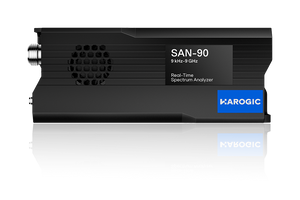
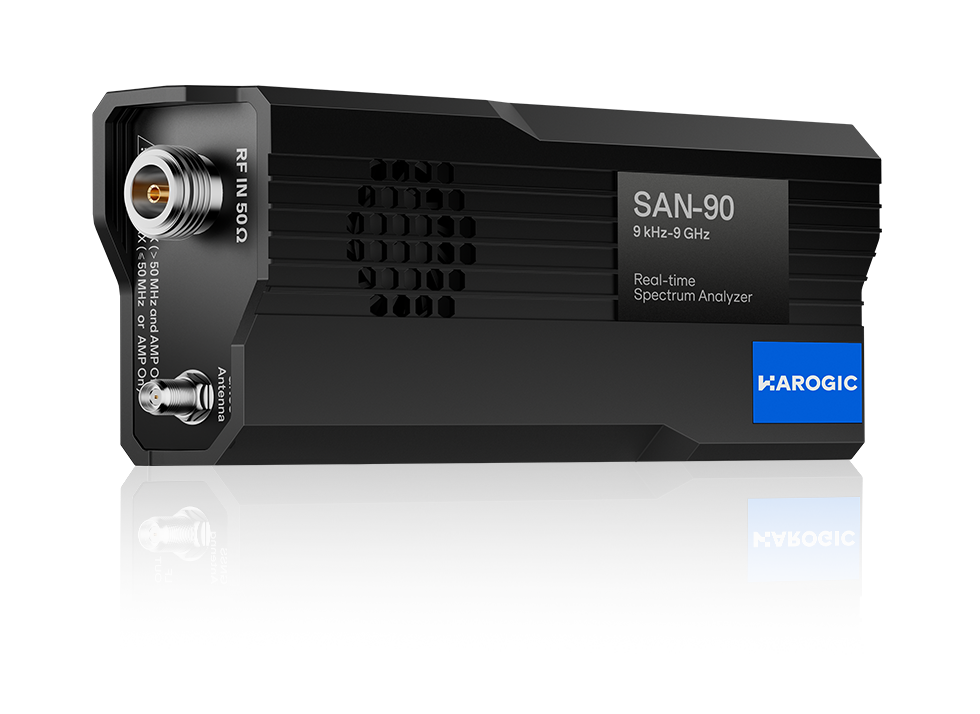
The SAN Series sets a new standard for USB-based spectrum analyzer. Built on a high-performance superheterodyne architecture with up to 14-stage preselection filter, it delivers exceptional noise performance, wide dynamic range, and image rejection. Combining fast sweep speeds with cost efficiency, the SAN Series provides laboratory-grade precision in a highly portable form factor.
EASE OF USE AND COMPACT DESIGN
The compact form factor allows easy system integration while maintaining high RF performance such as spectral purity, making it well suited for space- and cost-limited applications.
UNIFIED API SUPPORT
All models share a unified API, enabling seamless hardware migration without code changes. Supports C/C++, C#, Python, MATLAB, Qt and LabVIEW on Windows and Linux.
ALL-INCLUDED SOFTWARE PACKAGE
Standard measurement functions include channel power, occupied bandwidth, XdB bandwidth, harmonic measurements, AM/FM demodulation, and automatic phase noise measurement.
Key Features
- High-performance superheterodyne receiver with up to 14-stage preselection filters
- Frequency range: 9 kHz to 4.5 GHz (SAN-45) / 6 GHz (SAN-60) / 9 GHz (SAN-90)
- 1 GHz DANL: -168 dBm/Hz
- 9 GHz DANL: -167 dBm/Hz
- 1 GHz phase noise: < -110 dBc/Hz@10 kHz
- 1 GHz phase noise measurement: < -125 dBc/Hz@10 kHz
- Analysis bandwidth: 50 MHz / 100MHz (opt.50)
- Sweep speed: > 1 THz/s (RBW = 250 kHz)
- IF and image rejection: > 95 dBc
- Built-in GNSS, supports frequency calibration
- USB3.0/2.0 Type-C interface
- Unified APIs and examples supported
- Windows 11/10/8/7 (x86, x64) supported
- Debian 12/11/10 (x64, AArch64) supported
- Ubuntu 24.04/22.04/20.04/18.04 (x64, AArch64) supported
- Standard SCPI protocol supported
Main Working Modes Overview
Multiple primary working modes: Standard Spectrum Analysis, IQ Streaming, Power Detection Analysis, Real-Time Spectrum Analysis, Phase Noise Measurement, Basic Vector Modulation Analysis (opt.71), Pulse Analysis (opt.72), Harmonic Analysis and Heat Mapping.
SAStudio4 Main Working Modes Overview
Standard Spectrum Analysis Mode
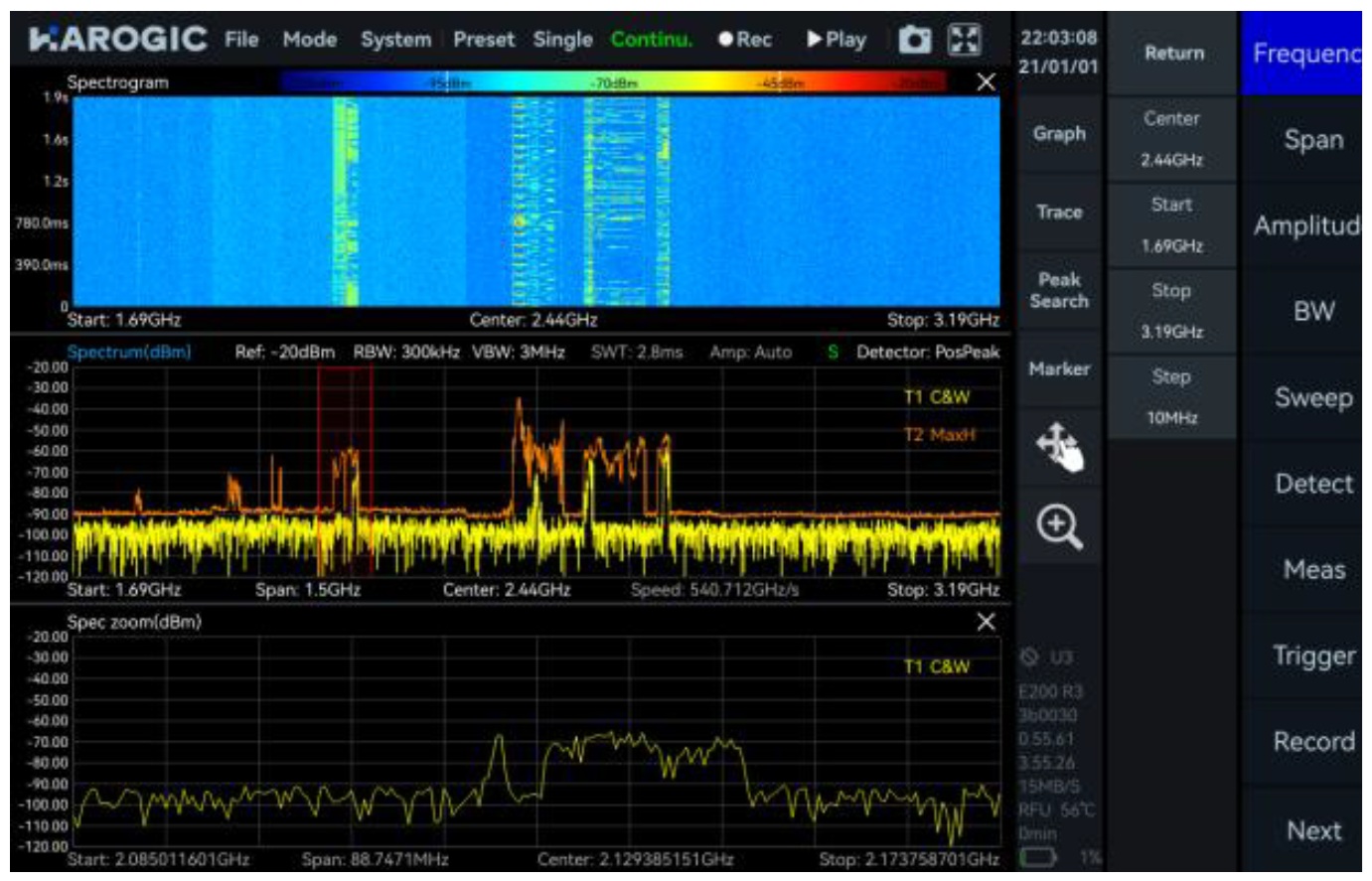
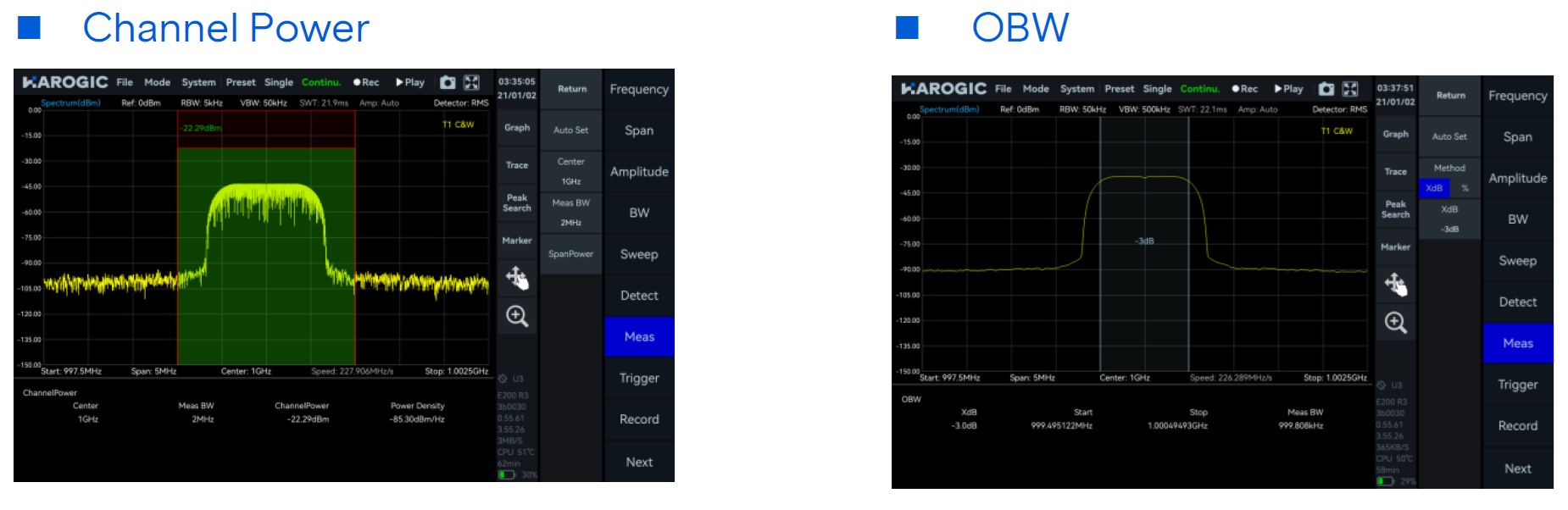
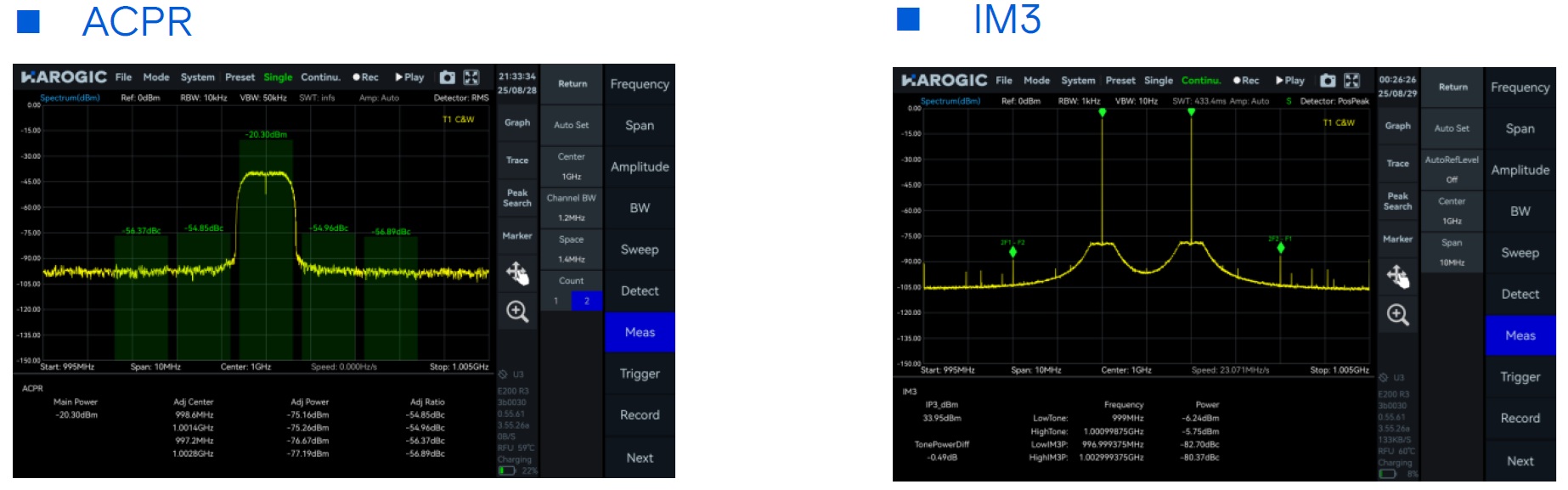
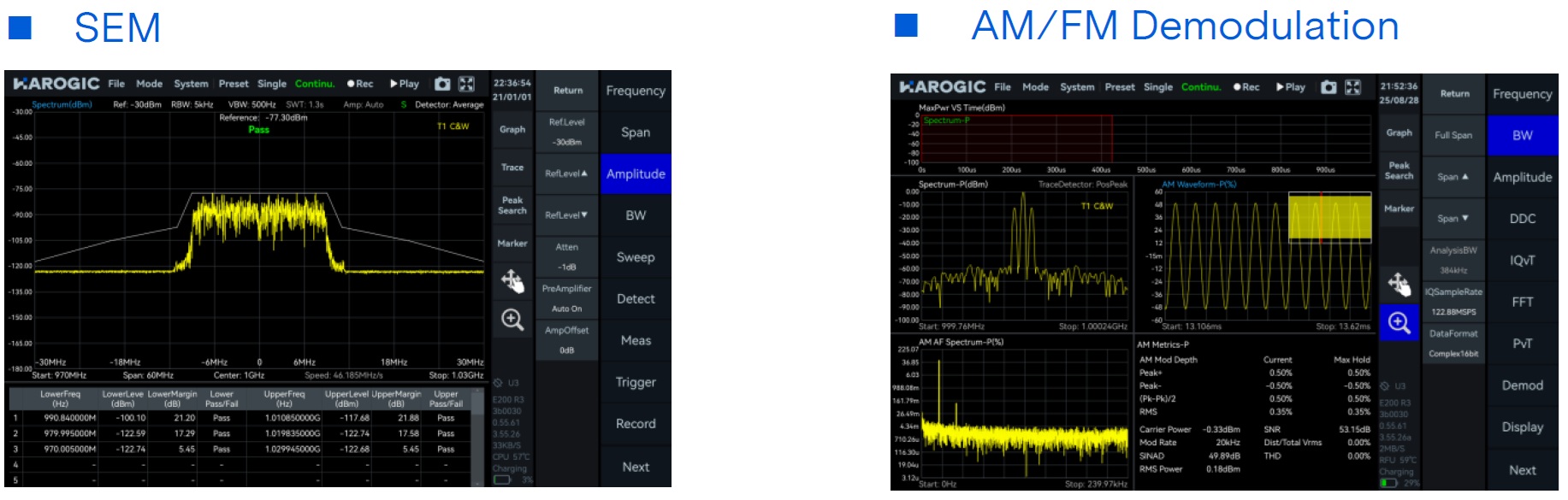
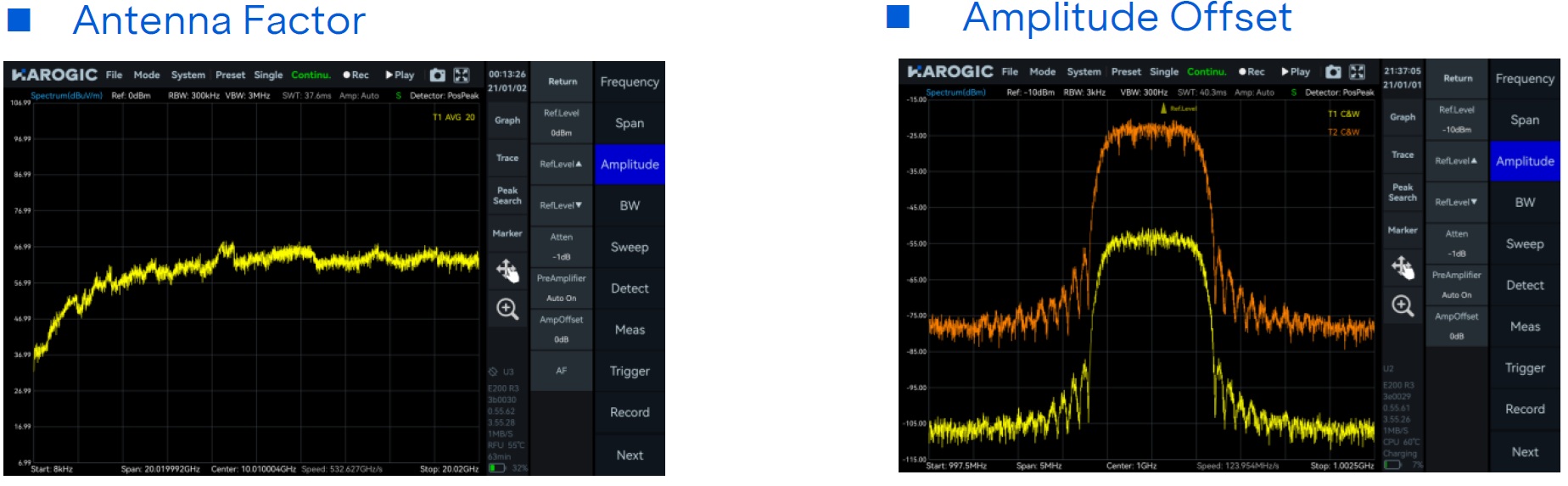
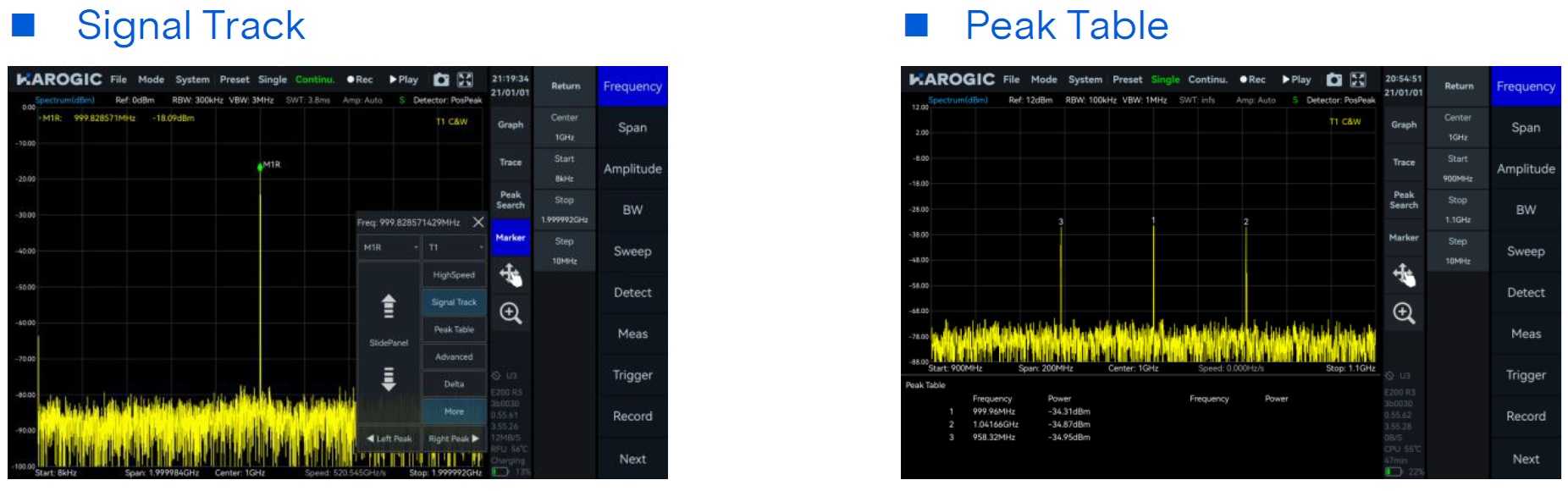
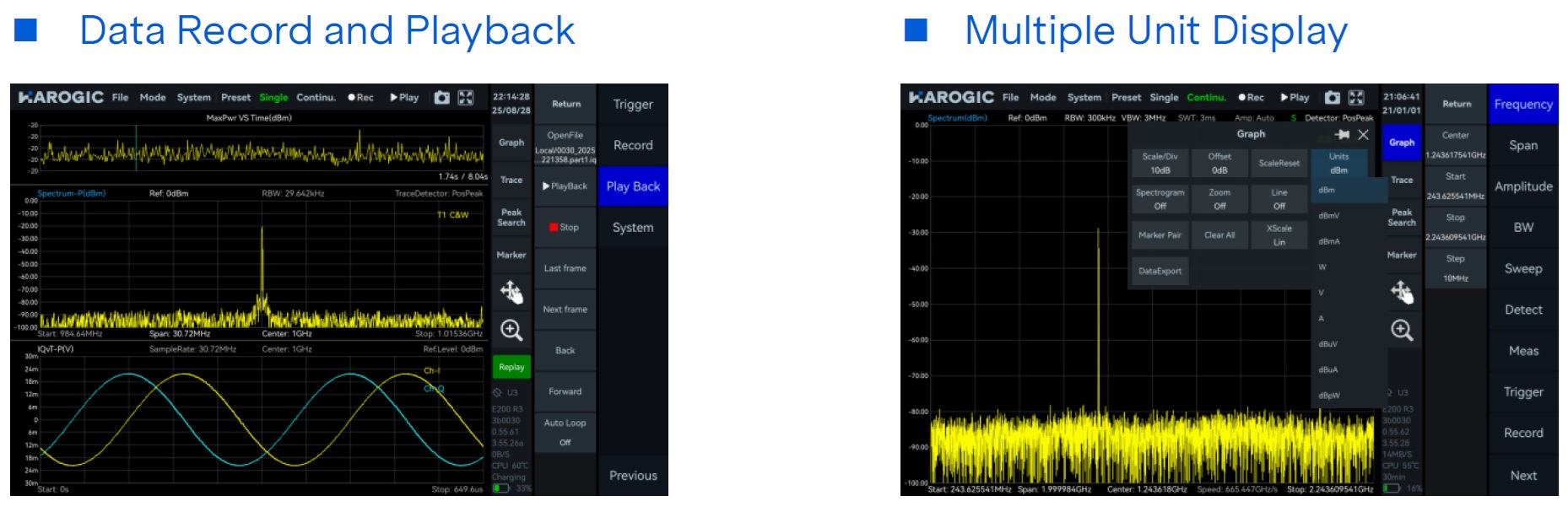
This mode provides a wide range of measurement functions, including full-span sweep, channel power, OBW, ACPR, IM3 and SEM. It also supports spectrum recording and playback. Combined with auxiliary tools such as signal tracking, peak table, and amplitude correction, it delivers a one-stop platform for comprehensive spectrum analysis.
IQ Streaming Mode
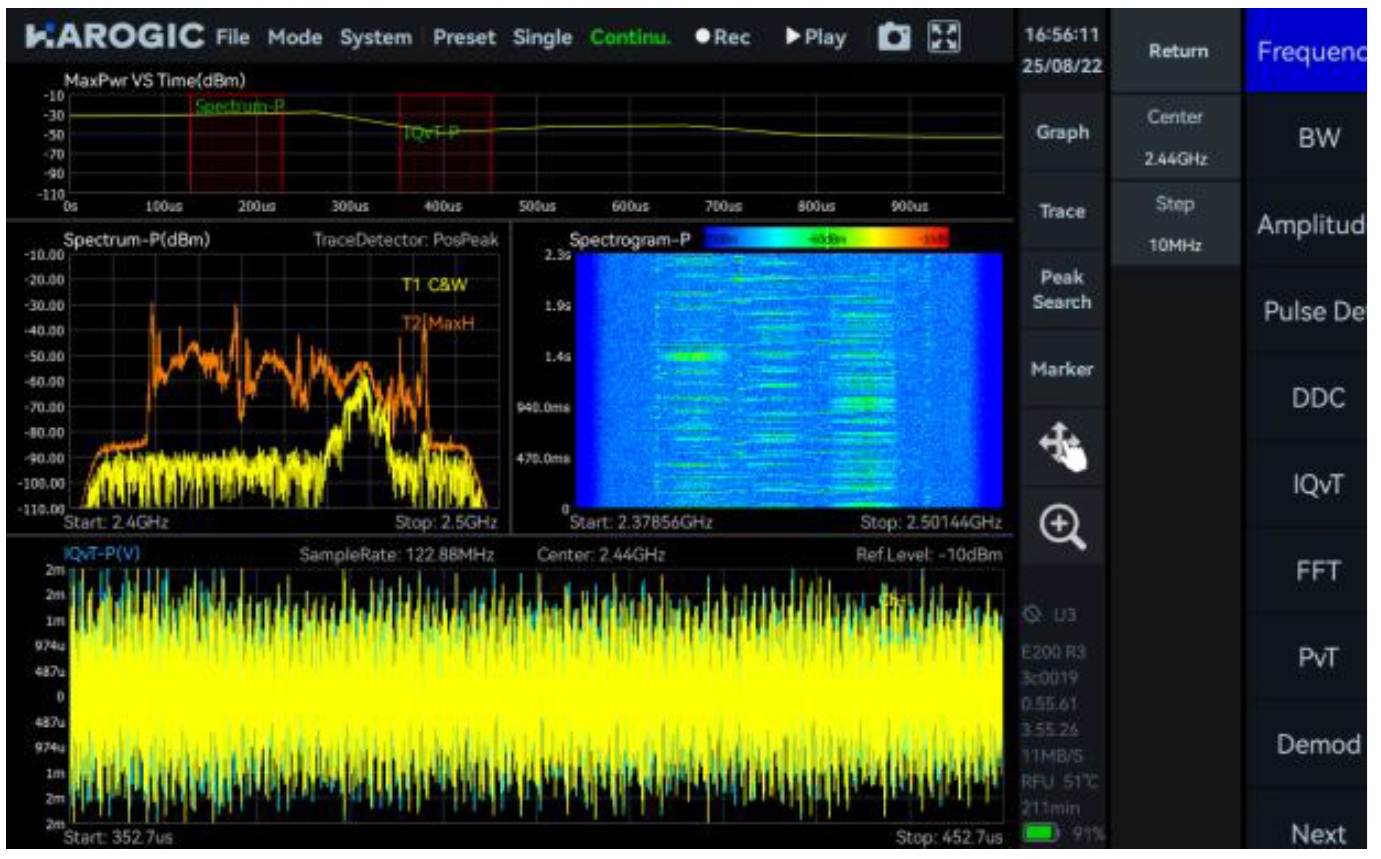
This mode supports up to 100 MHz analysis bandwidth and allows IQ data acquisition through multiple trigger methods. It provides IQ time-domain waveform display, spectrum and spectrogram views, AM/FM demodulation, and digital down conversion (DDC).
Power Detection Analysis Mode
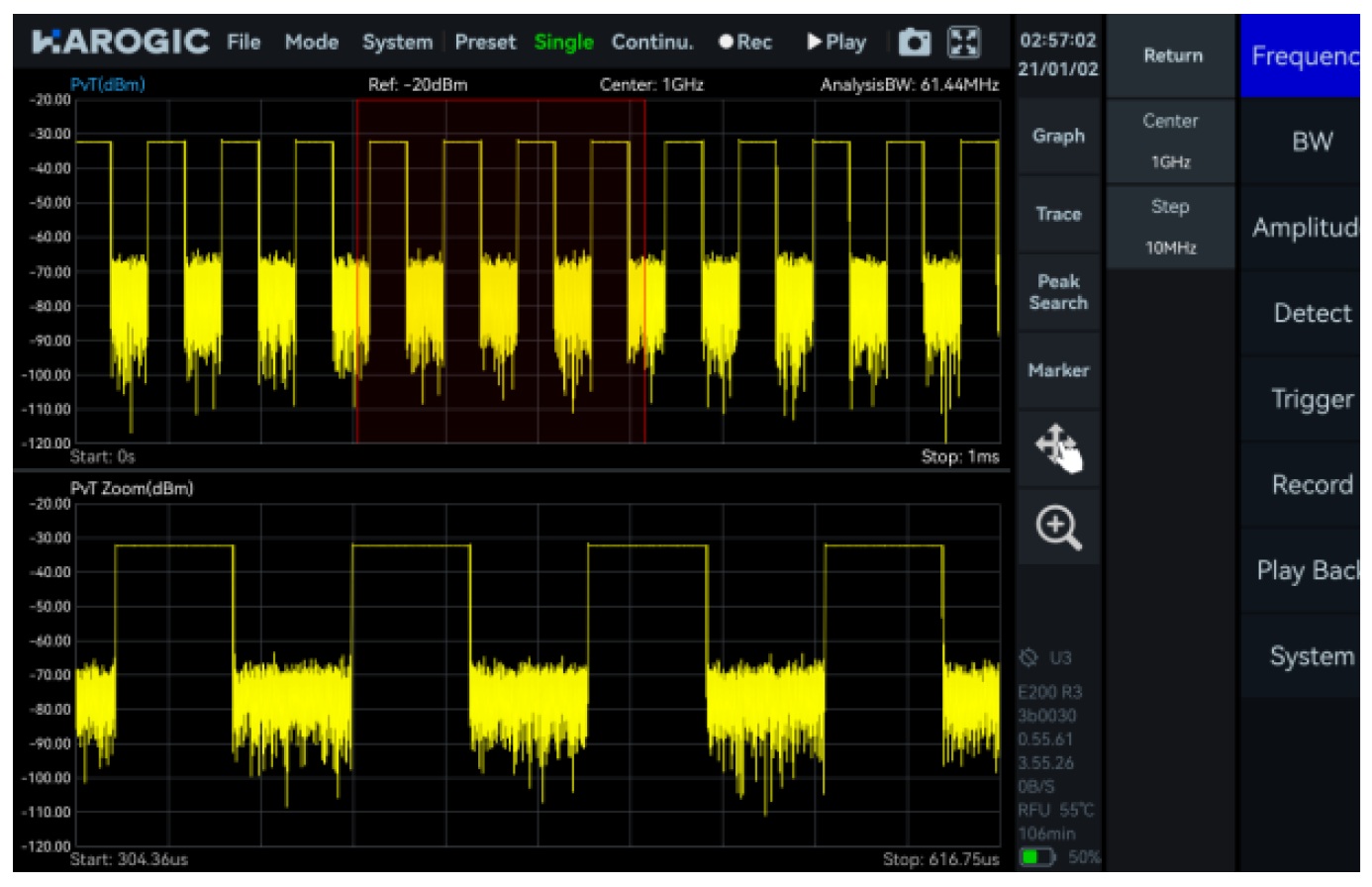
This mode enables detection and analysis of time-domain signals within the analysis bandwidth, making it suitable for applications focused on in-band power-versus-time relationships, such as pulse signal measurements.
Real-time Spectrum Analysis Mode
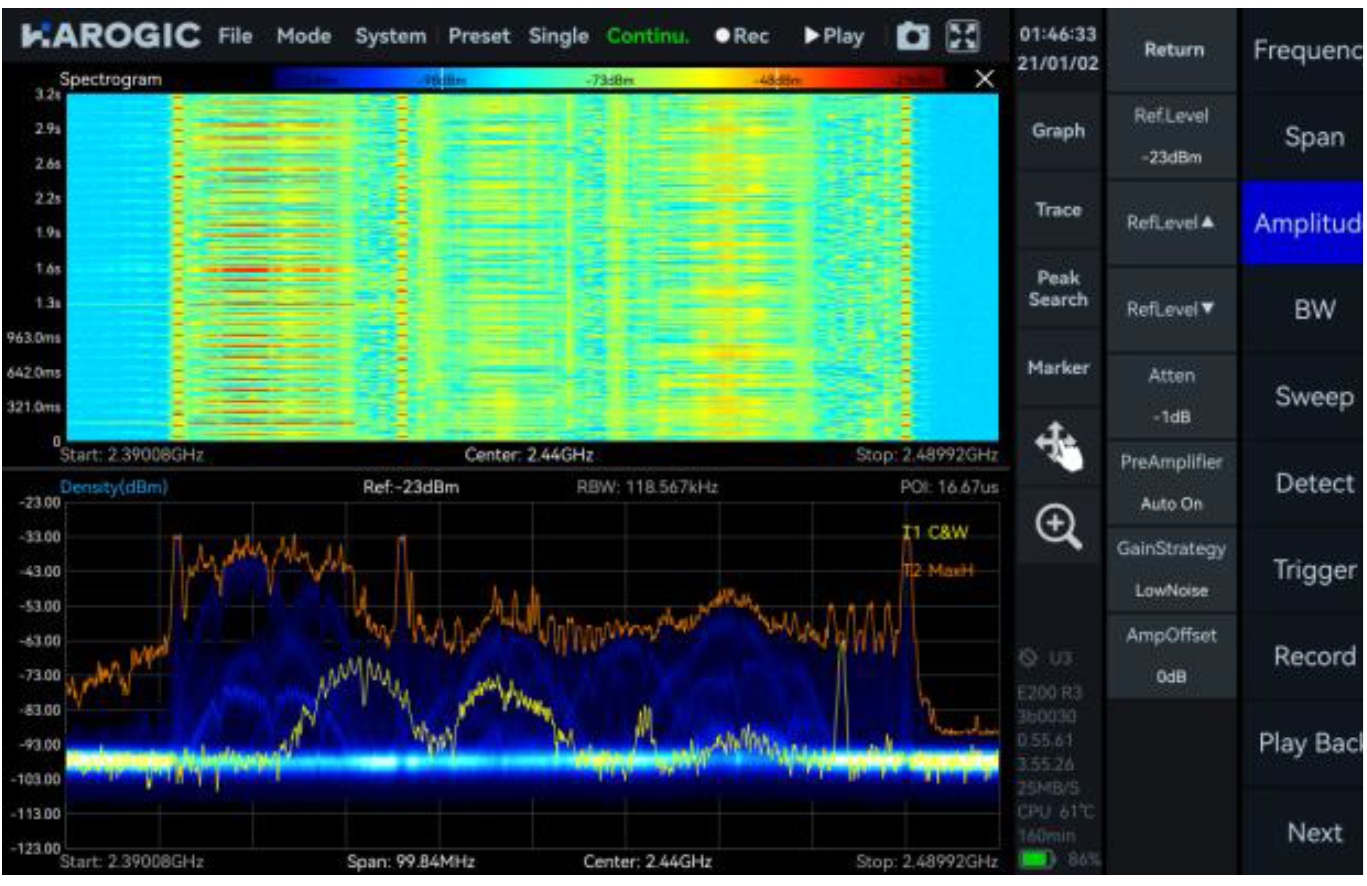
This mode is powered by a high-speed FPGA-based FFT engine, featuring with strictly gapless and overlap-free FFT, achieving true real-time monitoring across the full bandwidth.
Basic Vector Modulation Analysis Mode (opt.71)
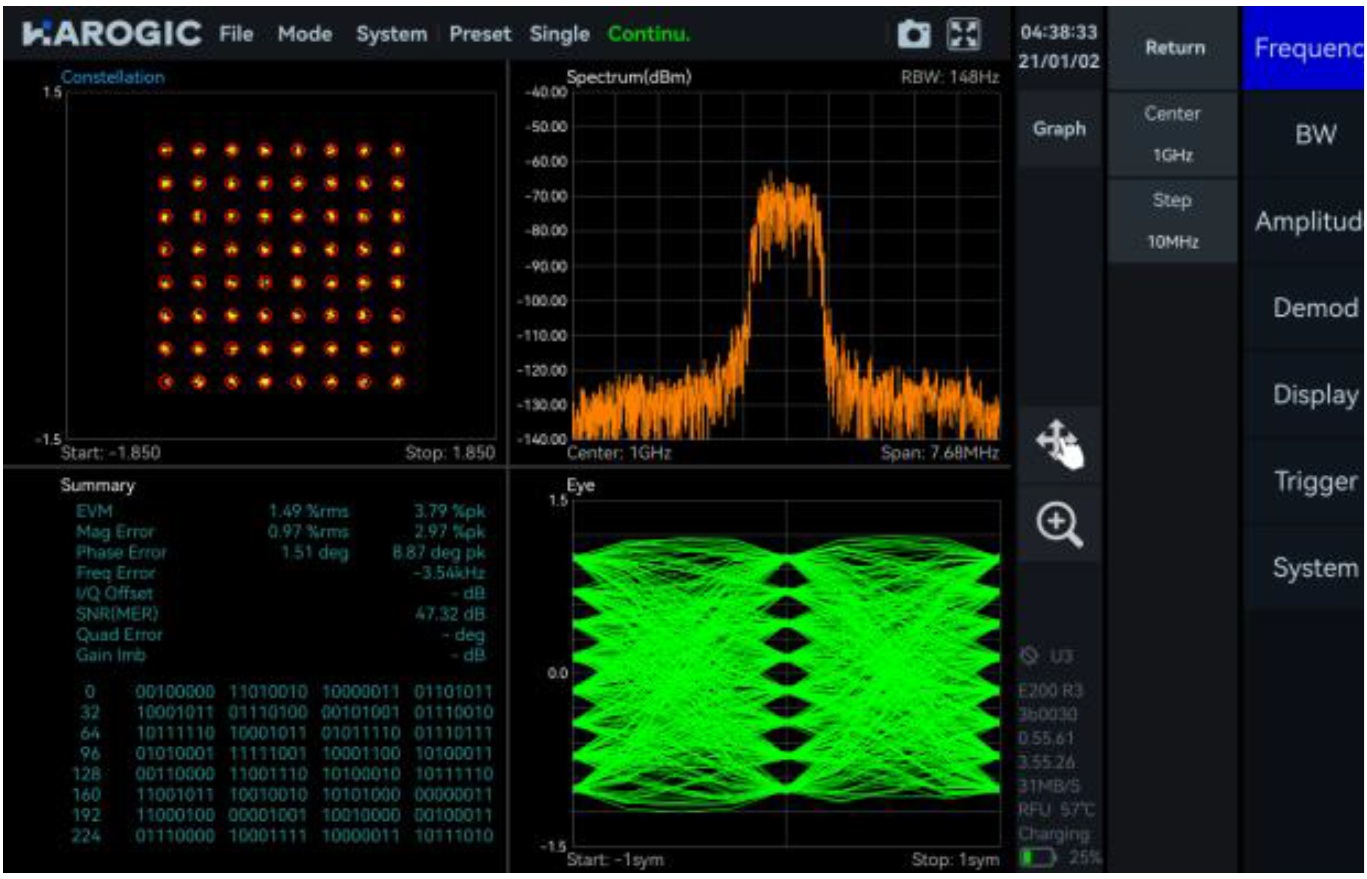
This mode supports demodulation of 2ASK, 2FSK, 4FSK, GMSK, BPSK, QPSK, 8PSK, 16QAM, 64QAM, 128QAM, and 256QAM signals.
Harmonic Analysis Mode
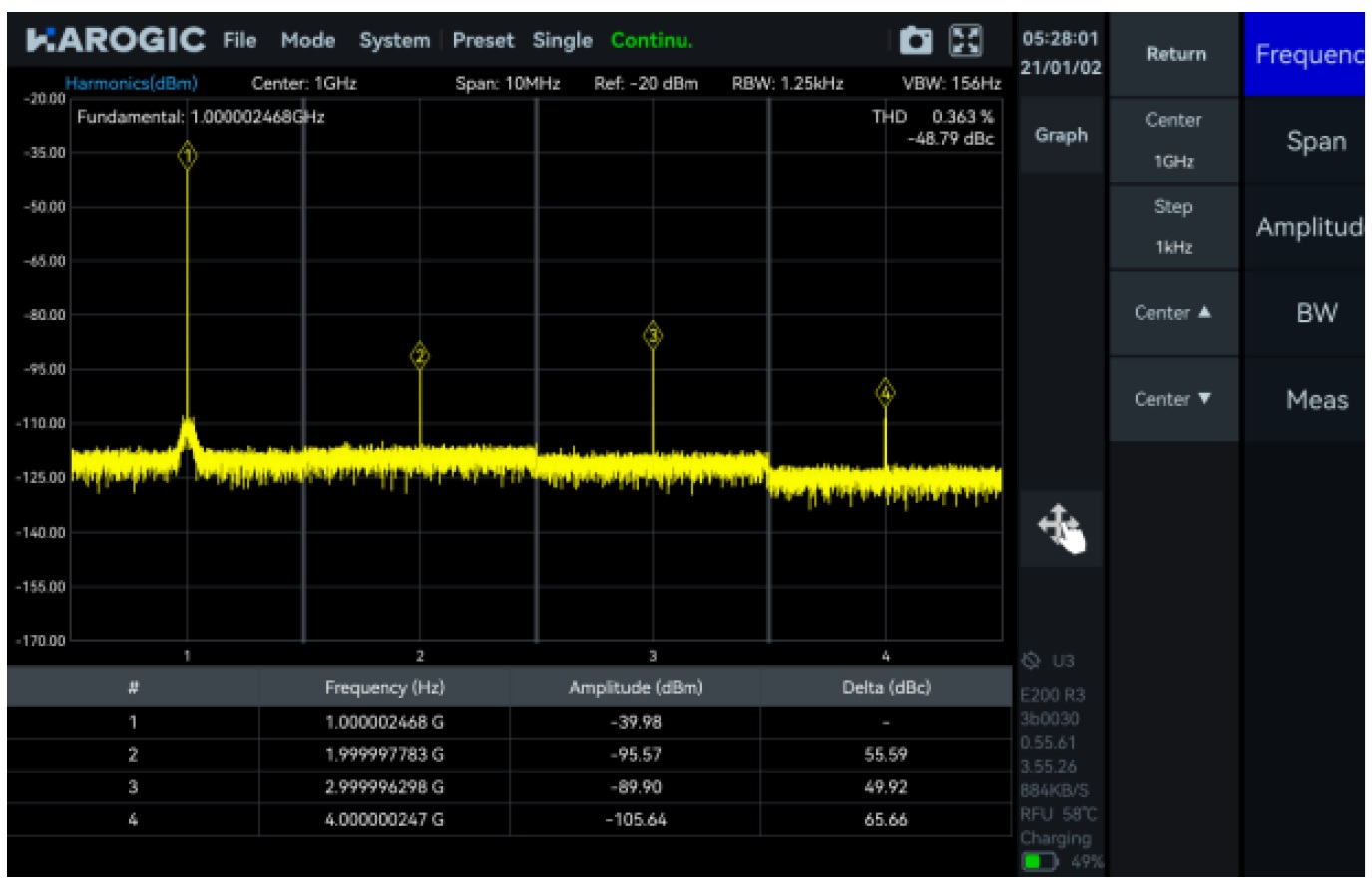
This mode supports detection and measurement of up to 10 harmonic components, including harmonic peaks, harmonic channel power, and total harmonic distortion.
Phase Noise Measurement Mode
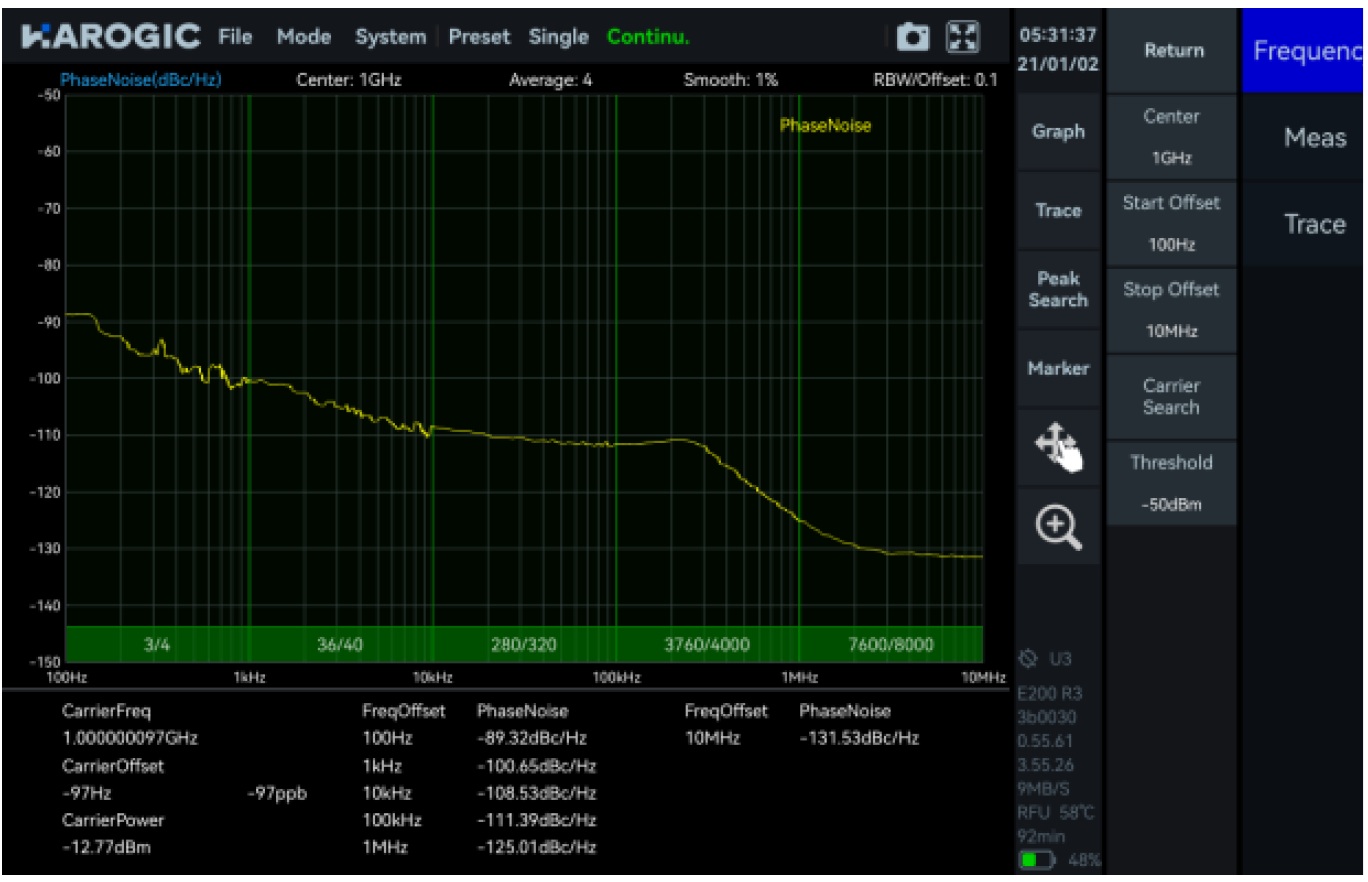
This mode supports offset ranges from 1 Hz to 10 MHz for evaluating carrier phase stability. With the built-in automatic carrier search function, the software can quickly locate the target carrier without manual adjustment.
Pulse Analysis (opt.72)
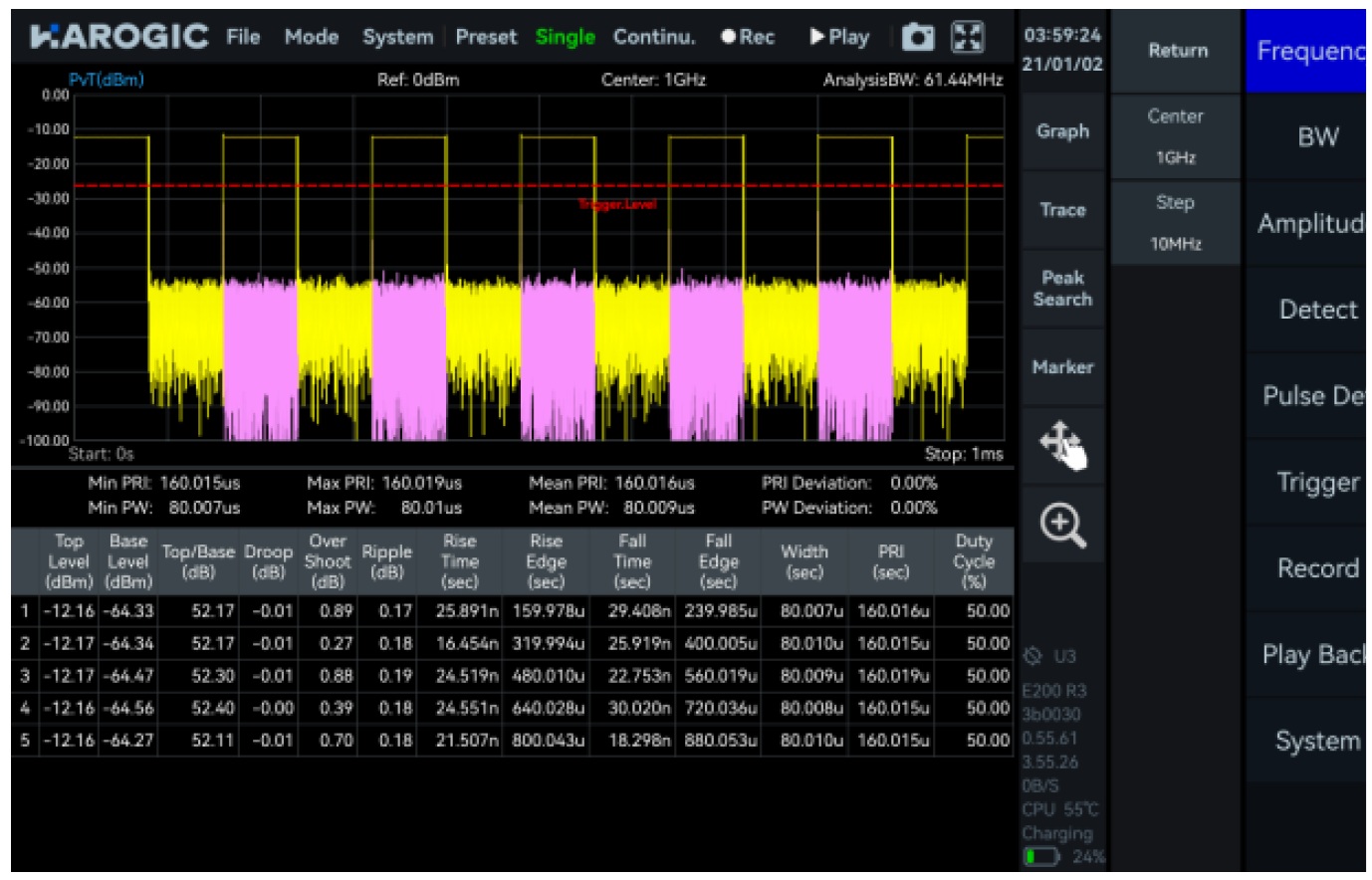
This mode supports the measurement of pulse signals with a pulse width of 32 ns and above, provides key measurement results including peak level (dBm), reference level (dBm), peak-to-reference ratio, droop, overshoot, ripple, rise/fall time, rise/fall edge, pulse width, period, and duty cycle.
Mapping Mode
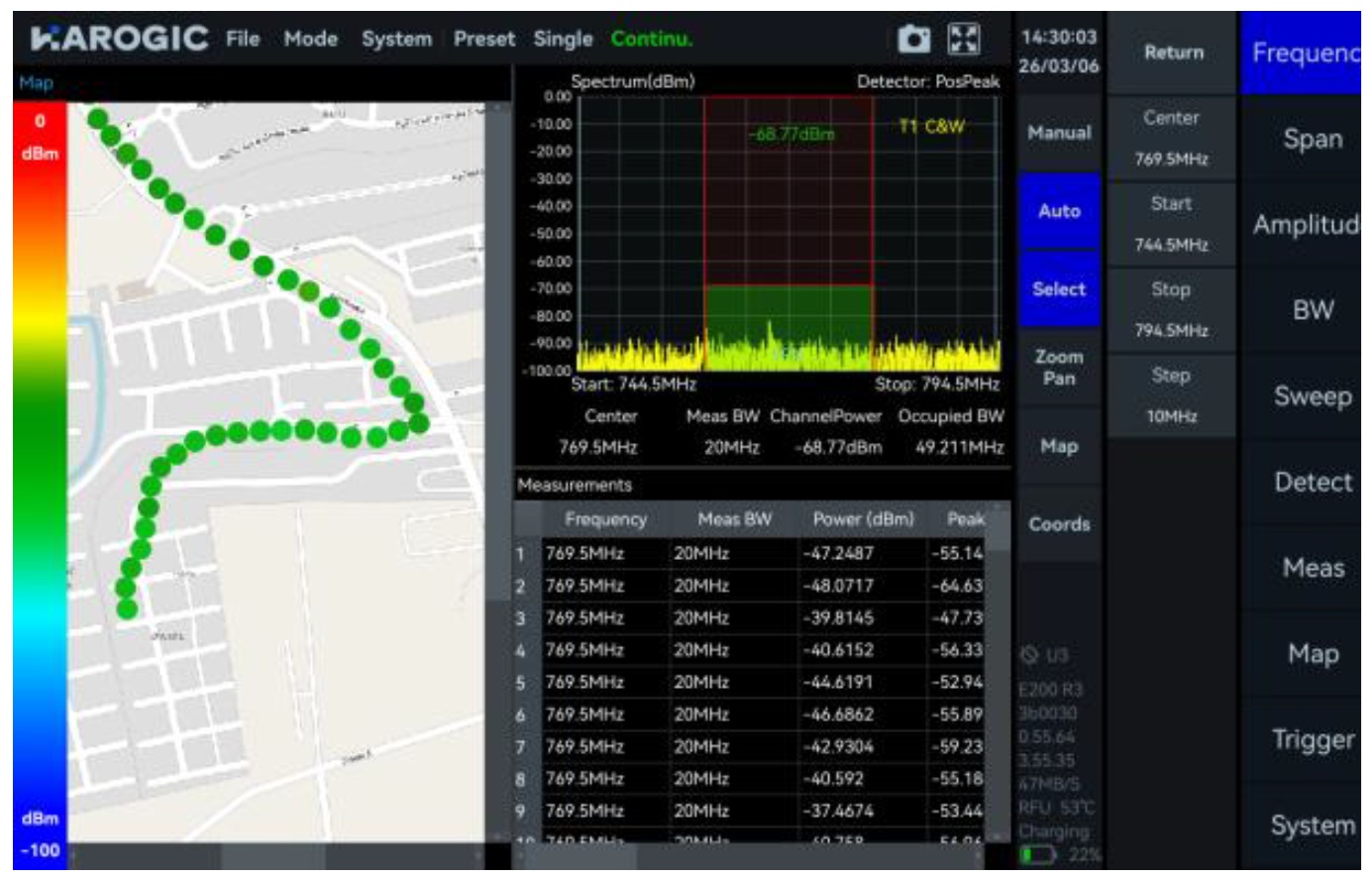
This mode integrates GNSS positioning functionality and enables the generation of heat maps and other graphical visualizations in map view. It displays key information within a defined area, including Channel Power, Occupied Bandwidth, Coordinates (Latitude/Longitude), Altitude, Pixel Position, and Azimuth. It is ideal for applications such as radio monitoring and interference analysis.
Main Functions Overview
Where to Buy:
🔵 Spectrum analyzers SAN series are now available for order from the official HAROGIC distributor in Ukraine – SEA Company (tmm@sea.com.ua).